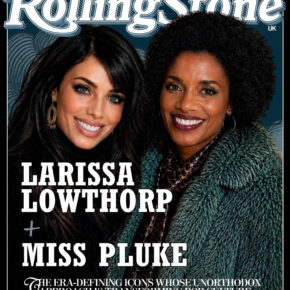




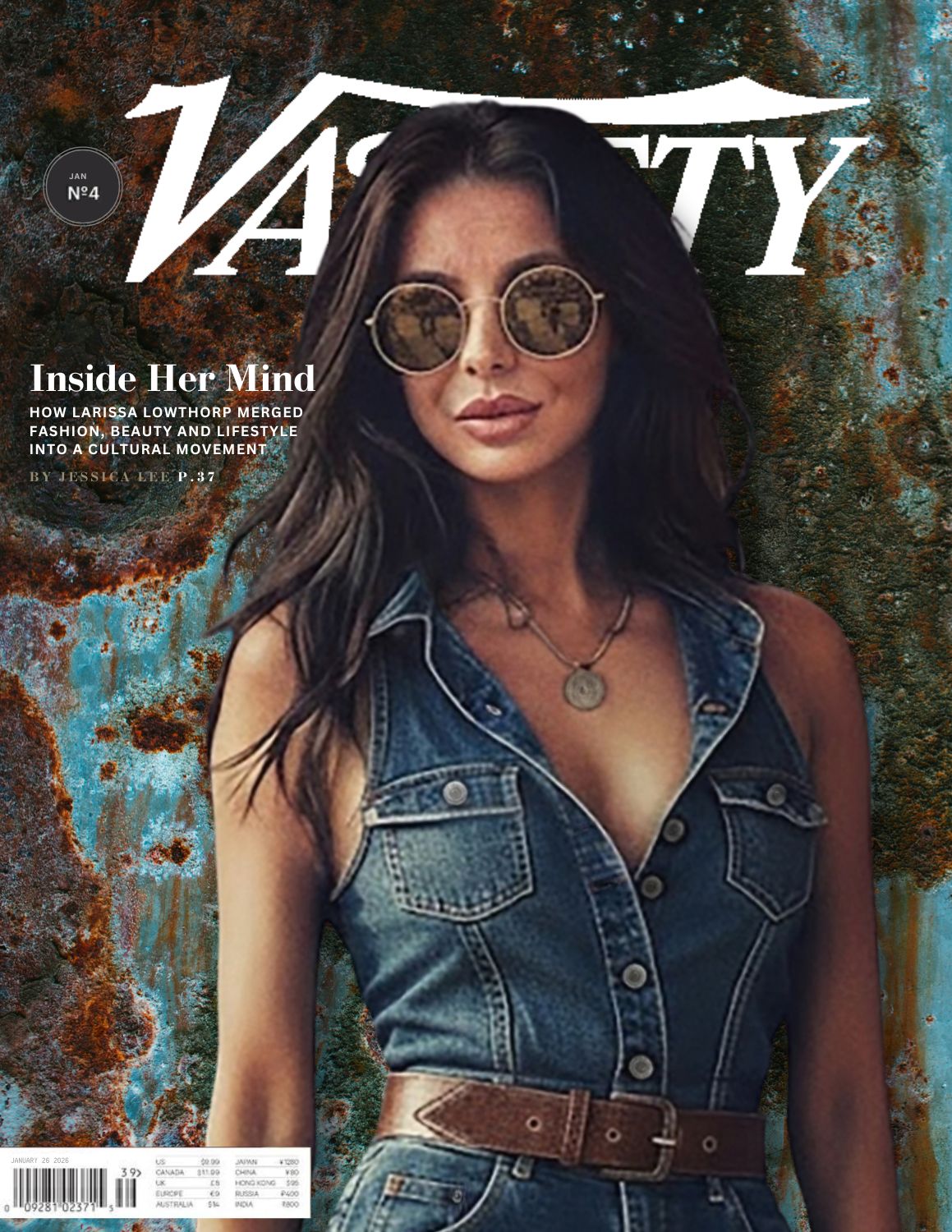

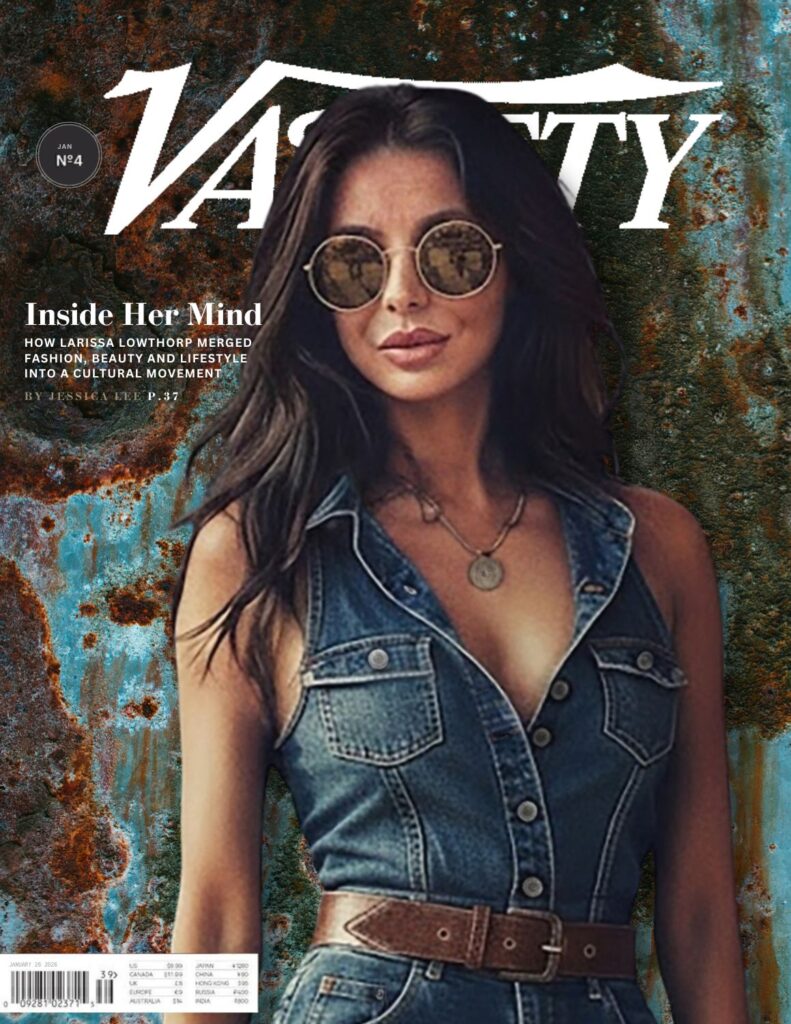
Every choice matters. That is the quiet conviction underlying Larissa Lowthorp’s empire.
Lowthorp has long believed that fashion, beauty, and lifestyle function as inseparable languages of identity. They are how we see ourselves and how others recognize us. Her creative project rests on a single principle: when handled with intelligence and generosity, creativity possesses the power to expand human empathy.
The Architect Of Her Own Ascent
Lowthorp’s rise contradicts the typical blueprint. Though her lineage traces back to American political reformers and U.S. presidents, her journey was forged entirely on her own terms in rural Minnesota. She began as a child actress and teen fashion model, then withdrew with calculated precision.
What followed was a gradual accumulation of authority. Lowthorp became an imaging strategist whom top-tier Billboard artists at Motown, Def Jam, Sony Music, and Universal Music Group routinely consulted for creative direction. She worked as creative supervisor on the Academy Award-winning film “Dreamgirls,” co-directed a short film at Cannes, and shaped strategy for blockbusters including “Dune: Part Two,” “The Batman,” and “The Revenant.”
Studios learned to trust her instincts. Musicians called seeking guidance. But Lowthorp rarely became the story. “Silence is not my absence,” she explains. “It is my editing process.” She built authority through precision rather than publicity. That discipline eventually became its own magnetic influence.
You can feel when a track is lying to you,” Lowthorp says. “The industry wants everything polished until it’s unrecognizable, but the real power is in the friction. I’m looking for that one raw nerve everyone else is trying to smooth over. That’s where the emotion is.”

Lunescape: Luxury Redefined As Individuality
Lunescape began unexpectedly. A personal act of care for her aging dog evolved into a globally respected destination now serving over 300,000 customers. The brand spans more than 250 departments featuring over 1,100 global designers and approximately 65,000 curated pieces, yet operates with editorial restraint rather than retail clutter.
What makes Lunescape distinctive is its central premise. Lowthorp rejected the gatekeeping model of luxury for something more radical: inclusivity as the heart of the business. Unlike heritage houses built on scarcity and exclusion, Lunescape redefines rarity as individuality. Pieces feel discovered rather than manufactured. Collections blend quiet luxury with bohemian energy, pairing sculptural tailoring with desert-worn leathers.
"We do not chase seasonal noise. If it does not resonate in someone's soul five years from now, it does not belong here."
Through collaborations including Lunescape x Marzelle and Lunescape Dar Ouadi, the brand centers diverse beauty and heritage-rooted fashion as foundational values.
Building Narratives Across All Media
Beyond fashion, Lowthorp extended this philosophy into storytelling. AllSight Studios functions as a production company and cultural research hub, developing original intellectual property across film, television, music, and literature. Based between Los Angeles and an institute in Fes, Morocco, the studio champions character-driven stories centered on women and underrepresented voices.
The AllSight Institute conducts rigorous ethnographic research to inform every project with narrative depth and cultural specificity. Lowthorp describes it plainly: “In a world that flattens culture into aesthetics, research is an act of respect. If we are going to profit from people’s stories, we owe them accuracy, nuance, and dignity.” The studio develops a sci-fi series, a coming-of-age cowboy narrative, and a documentary on structural inequality in Minneapolis.

A REPUTATION THAT WOULD LEAD TO AN INDUCTION IN THE HIP -HOP HALL OF FAME
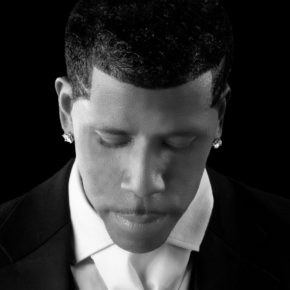
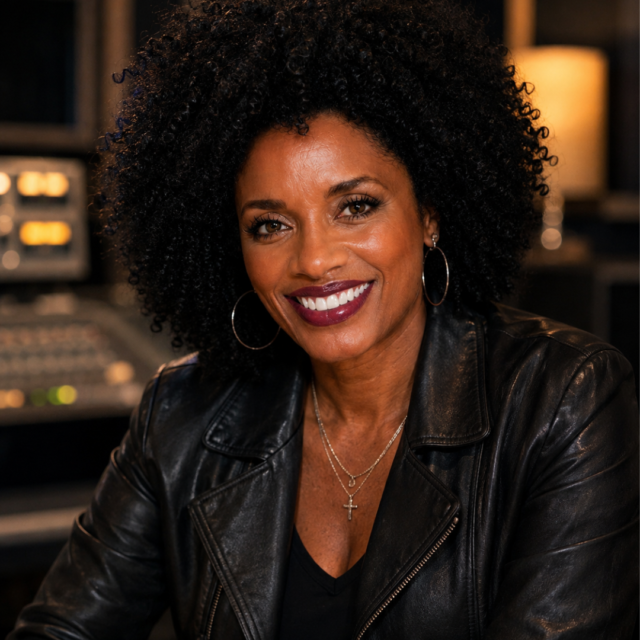
When the music cuts, the room goes silent. Marzelle speaks in a low, velvet hush, though a jagged rasp sits just beneath the surface. This dual timbre lets her slip from a sharp, rapid-fire flow to the soulful weight of her gospel roots. Shunning the industry’s Autotune crutch, she’s back to the work of raw invention, ignoring the trend of vibe over structure.
Hollywood-born Marzelle was raised among the entertainment elite in the heart of LA. Dancing before she walked, she is the daughter of a train conductor with a “metaphoric poetic flow” and a mother who designed her own clothes, a blueprint for Marzelle’s own lyricism and work ethic. Her work with Bell Biv DeVoe established her as a primary force behind the New Jack Swing aesthetic; she co-choreographed and style-directed their “Poison” video before steering generations of R&B royalty. Whether working as the style director for Montell Jordan or serving the looks that inspired early identities of Truth Hurts, Missy Elliott, and OutKast, Marzelle was the “ghost in the machine” shaping the era’s definitive voices.
By her late teens, she had carved out a reputation that—alongside her Paradigm-signed dance quartet, Str8 Ahead—would lead to an induction into the Hip Hop Museum Hall of Fame. It is a long-overdue nod to a career spent defining the culture’s visual and sonic shorthand, but the credits only tell half the story.
A conservatory-trained actress and former financial executive who was a credited percussionist on a gospel album by age 13, Marzelle saw her work break on world tours and national television while the rest of the culture was still catching up. She prototyped the draped silhouettes that became the visual shorthand for the neo-soul movement, often pushing against label heads who wanted to play it safe. Now, she is weaving those threads together for a completely original sound on the record Lowthorp is producing under their newly-formed joint record label.
The Unified Vision Forward
Journey Morocco, co-led with historian Redouane Ouadi, extends this integrated vision into lived experience. The firm crafts privately guided journeys across Morocco and Africa. Through its subsidiary CineScout, it coordinates production logistics for films including “Gladiator II,” “Black Widow,” and “John Wick.”
What emerges across all of Lowthorp’s platforms is a singular commitment: every touchpoint in a person’s life is an opportunity for genuine transformation. Fashion, film, and travel function as one integrated ecosystem. AllSight Studios and Journey Morocco prove that her vision operates holistically. Whether creating multicultural content on screen or curating experiences across borders, she circles back to fashion as the core expression of identity.
Larissa Lowthorp has quietly rewritten what cultural authority means. She is a mogul possessed of creative foresight, channeling tactical instinct into unorthodox, multi-domain expertise with unmistakable results. Her future will undoubtedly continue this pattern: building ventures that help people feel more fully themselves. Against the constant noise of trend cycles, Lowthorp stands as a rare figure whose authority comes not from following the crowd, but from guiding culture forward with elegance, conviction, and vitality.